Back to Agriculture
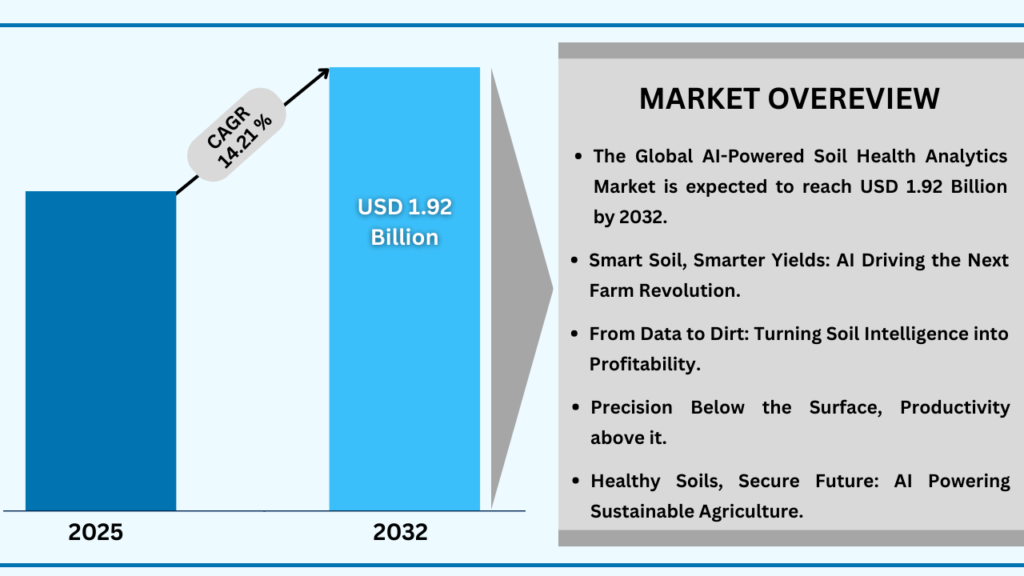
The Global AI-Powered Soil Health Analytics Market
Published Date : February 10, 2026 Category: Agriculture
Published Date : February 10, 2026 Category: Agriculture
Market Overview – Cultivating Data-Driven Agriculture
Market Pulse: Global Forklift Industry
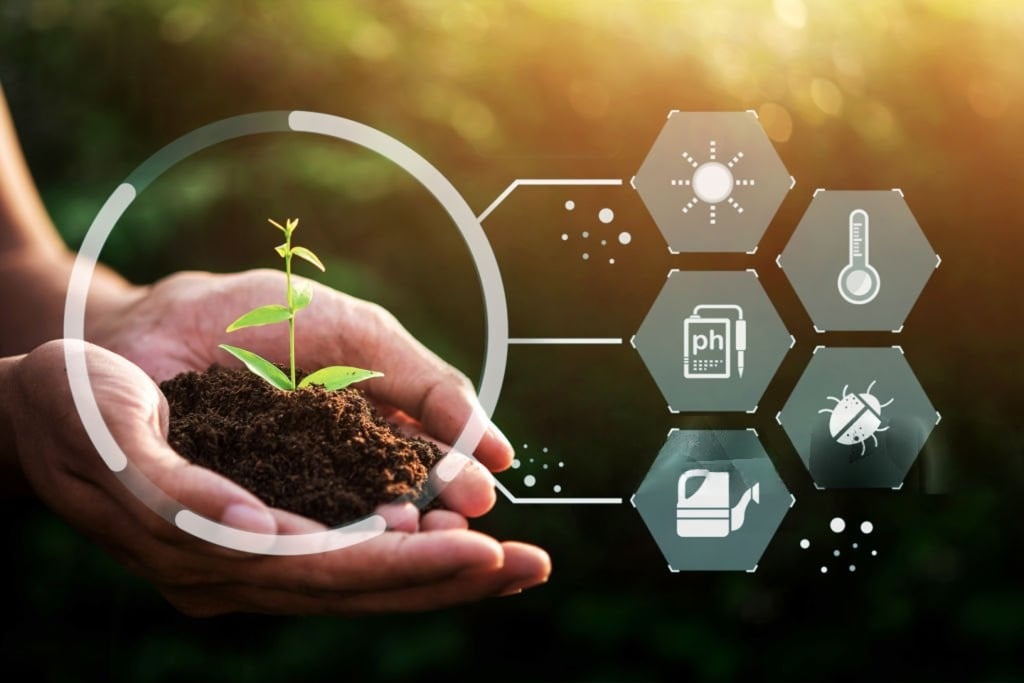
The global AI-Powered Soil Health Analytics market is emerging as a critical pillar of next-generation agriculture, as farmers, agribusinesses, and governments increasingly prioritize productivity, sustainability, and climate resilience. AI-powered soil health solutions combine data from soil sensors, satellite imagery, lab tests, weather data, and historical crop patterns to deliver actionable insights on soil fertility, nutrient balance, moisture levels, and biological activity.
With rising pressure on global food systems, shrinking arable land, and the need to reduce chemical inputs, data-driven soil management is becoming indispensable. AI models help predict nutrient deficiencies, optimize fertilizer application, improve irrigation planning, and support regenerative agriculture practices. As precision agriculture expands worldwide, soil analytics is moving from periodic testing to continuous, intelligent monitoring.
Adoption is accelerating across North America, Europe, and Asia-Pacific, supported by digital agriculture initiatives, sustainability targets, and investments in agri-tech innovation. Integration with IoT sensors, remote sensing, farm management software, and cloud platforms is enabling real-time soil intelligence and predictive decision-making at scale.
Market Definition-What is AI-Powered Soil Health Analytics?
AI-Powered Soil Health Analytics refers to the use of artificial intelligence, machine learning, and data analytics tools to assess, monitor, and predict soil conditions. These solutions analyze data from multiple sources, including:
· In-field soil sensors
· Satellite and drone imagery
· Soil sampling and laboratory tests
· Weather and climate datasets
· Crop and yield history
AI algorithms convert these data streams into insights on nutrient availability, organic matter content, pH levels, soil carbon, moisture dynamics, and soil biodiversity indicators. Outputs often include recommendations for fertilization, irrigation, crop rotation, and soil restoration practices.
These tools are widely used by farmers, agronomists, agri-input companies, research institutions, and government agencies to enhance productivity while maintaining long-term soil sustainability.
Key Growth Drivers – Sustainability, Precision, and Food Security
Sustainable Agriculture and Climate Goals
Growing awareness of soil degradation, carbon loss, and environmental impact from over-fertilization is driving demand for smarter soil management. AI-based analytics help reduce chemical inputs, lower emissions, and support regenerative agriculture. Soil carbon monitoring is also gaining traction in carbon credit and climate-smart agriculture programs.
Precision Farming Adoption
Precision agriculture relies heavily on accurate soil data. AI enables site-specific management, variable-rate fertilization, and targeted irrigation. This improves yields while reducing input costs. As farms adopt digital tools and automation, soil analytics becomes a foundational dataset.
Rising Global Food Demand
Feeding a growing global population with limited arable land is pushing the agriculture sector to focus on higher productivity and efficiency. AI-driven soil insights enable farmers to optimize nutrient management, irrigation, and crop planning, which improves crop performance and reduces yield variability. By turning soil data into actionable recommendations, these technologies support more consistent and resilient production. As a result, governments and agricultural organizations are increasingly promoting data-driven farming practices to enhance food security and ensure sustainable use of resources.
Technological Advancements
Advances in AI, remote sensing, IoT sensors, and cloud computing are transforming soil monitoring by making it faster, more scalable, and increasingly affordable for farmers and agribusinesses. Continuous, real-time data collection combined with predictive analytics enables early detection of nutrient deficiencies, moisture stress, and soil health risks, allowing farmers to take proactive measures instead of relying on reactive corrections. This shift supports better decision-making, optimized input use, and more sustainable long-term soil management.
Supportive Policies and Agri-Tech Funding
Many countries are actively investing in digital agriculture and smart farming to improve productivity, sustainability, and food security. Government grants, subsidies, and agri-tech accelerator programs are helping farmers and startups adopt advanced soil intelligence platforms and analytics services. These initiatives lower the financial and technological barriers to adoption, encourage innovation, and support the transition toward data-driven, precision farming practices.
Market Challenges – Data, Cost, and Adoption Barriers
Despite strong potential, the market faces several constraints:
High Initial Investment: Advanced sensors, data platforms, and analytics subscriptions can be costly for small farmers.
Data Quality & Standardization: Variability in soil sampling methods and sensor accuracy can affect AI model reliability.
Digital Literacy Gaps: Farmers may lack training to interpret and apply analytics outputs.
Connectivity Issues: Rural areas may face limited internet access for cloud-based platforms.
Fragmented Data Ecosystems: Integrating data from multiple sources remains complex.
Addressing these challenges through affordable solutions, user-friendly interfaces, and training programs will be crucial for market expansion.
Regional Spotlight – North America: Advancing Digital Agriculture
North America is a leading market for AI-powered soil analytics due to strong adoption of precision agriculture, large commercial farms, and robust agri-tech ecosystems. The U.S. and Canada benefit from:
Universities, research institutions, and private firms are actively developing AI models for soil carbon measurement, nutrient mapping, and predictive yield analytics. The region is expected to remain a technology leader in this space.
Competitive Landscape – Agri-Tech Innovation and Data Platforms
The AI-powered soil analytics market is dynamic and innovation-driven, with participation from agri-tech firms, sensor manufacturers, satellite analytics providers, and digital farm management platforms.
Key competitive strategies include:
Companies are also focusing on user-friendly dashboards, mobile accessibility, and localized agronomic recommendations.
Top 20 Global AI-Powered Soil Health Analytics Companies
Future Outlook – Intelligent and Regenerative Soil Management
The future of the AI-Powered Soil Health Analytics market lies in predictive, automated, and climate-aligned agriculture. Expected developments include:
As regenerative agriculture and carbon markets grow, soil analytics will play a central role in verification, reporting, and optimization.
Conclusion – Where Agriculture Meets Intelligence
The global AI-powered soil health analytics market represents the convergence of agriculture, data science, and sustainability, creating a new foundation for data-driven farming. As soil health becomes a strategic priority for improving productivity, restoring soil fertility, and building climate-resilient agricultural systems, the demand for intelligent analytics is steadily increasing. Farmers and agribusinesses are recognizing that healthy soils directly influence yield stability, input efficiency, and long-term land value, making soil intelligence a critical investment rather than an optional tool. AI technologies enable continuous monitoring, deeper insights, and predictive capabilities that were not possible with traditional soil testing methods.
Success in this market depends on the availability of accessible and cost-effective technology, reliable and standardized data, strong farmer education programs, and collaboration across the agricultural ecosystem. Partnerships among technology providers, agronomists, governments, and research institutions will be essential to scale adoption and ensure practical value for end users. As digital agriculture matures, AI-powered soil insights are expected to become a core component of future-ready farming systems worldwide, supporting sustainable intensification, resource efficiency, and improved food security.
At Advantia Business Consulting, we support agribusinesses, technology providers, and investors in navigating fast-evolving markets such as AI-powered soil health analytics. Through in-depth market research, strategic insights, and data-driven advisory services, we help stakeholders understand emerging trends, competitive landscapes, and growth opportunities at the intersection of agriculture, technology, and sustainability. Our expertise enables informed decision-making in a future where intelligent soil management is central to resilient and productive farming systems.